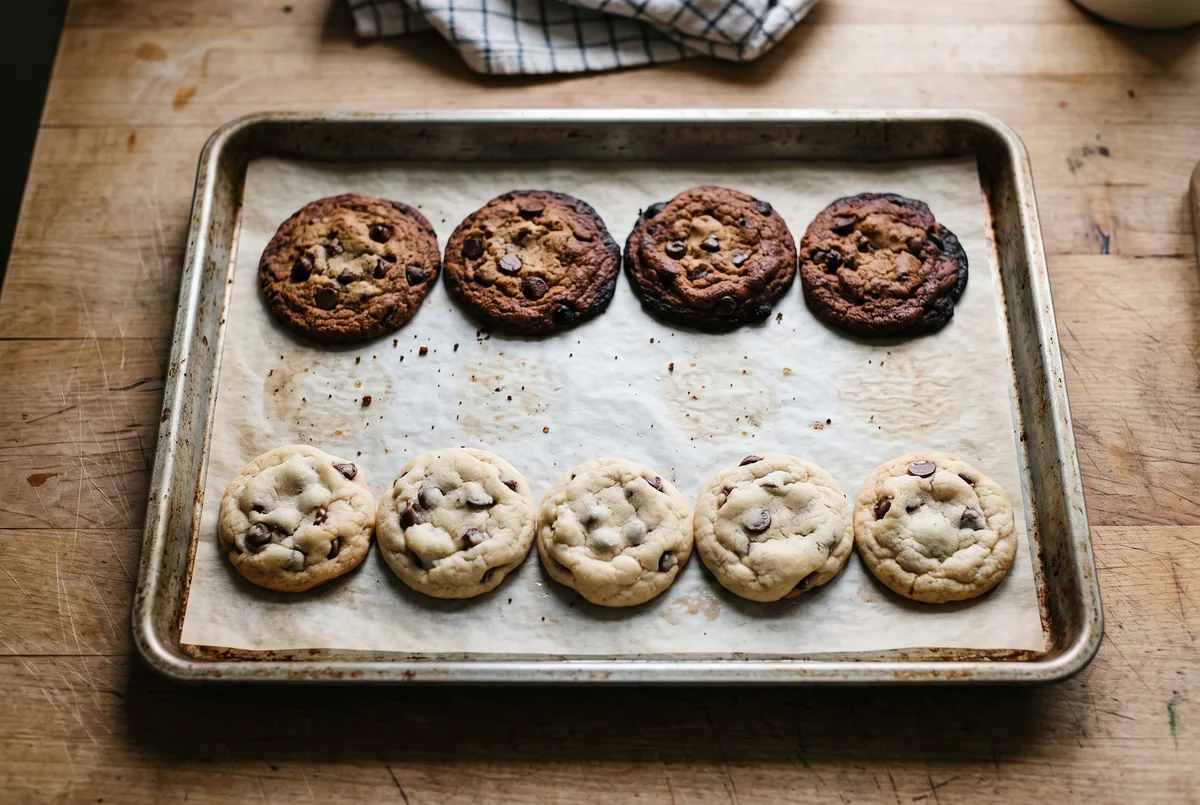
You pull a tray of cookies out of the oven and one side is golden while the other is still pale. If your oven is not heating evenly, it is more than an annoyance. It quietly wastes ingredients and makes every recipe a gamble. The reassuring part is that the causes are well understood, and several are things a Winnipeg homeowner can check in an afternoon. When the fix needs a part or a gas technician, our oven repair team in Winnipeg can step in.
This guide takes a cause-and-solution approach. We will start with the handful of things that make an oven bake unevenly, show you how to pin down which one is yours, then lay out the fixes from the five-minute adjustments to the jobs best left to a pro. By the end you will know whether you are looking at a quick tweak or a service call.
In This Article
Common Causes of an Oven Not Heating Evenly
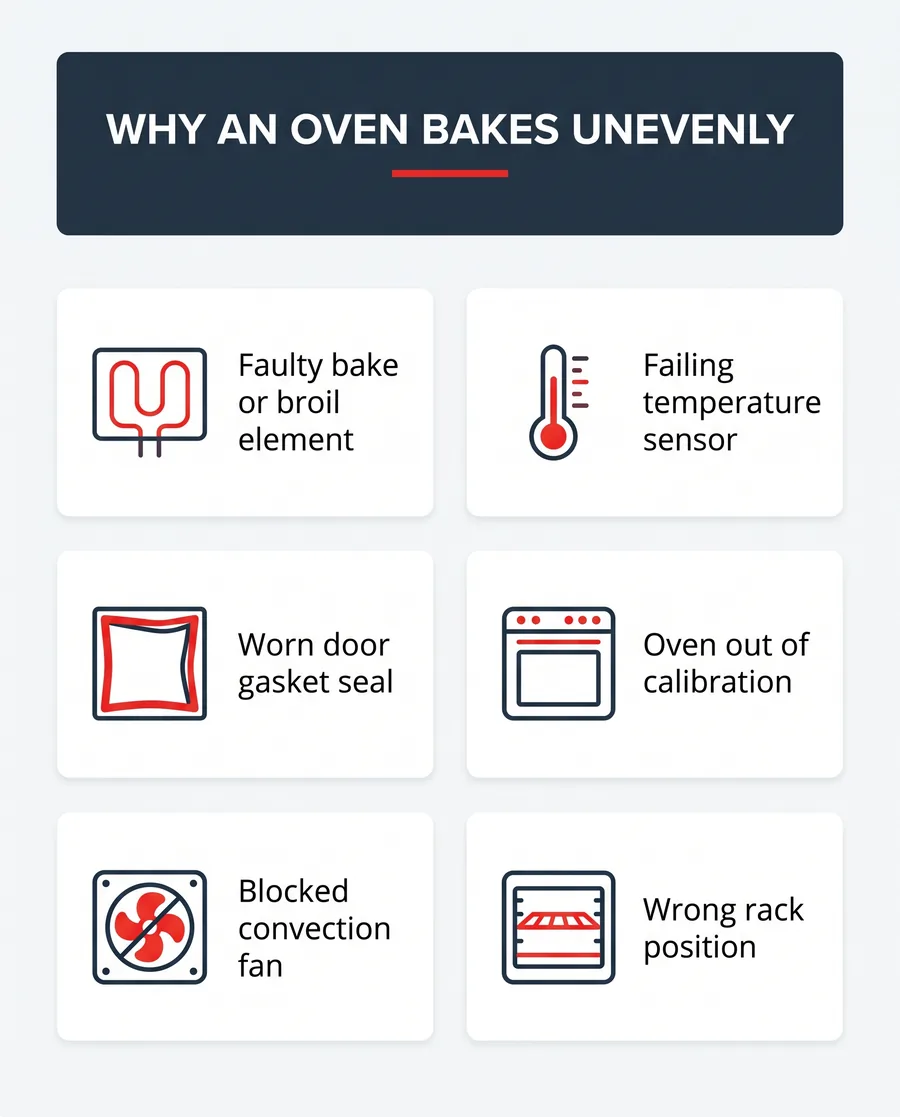
Uneven heat almost always comes down to one of a few culprits: a heating element that has partly failed, a temperature sensor that has drifted, a door seal that leaks, an oven that has slipped out of calibration, or a convection fan that is not moving air the way it should. The infographic below sums them up, and the table further down matches each cause to the sign you would notice.
Did You Know?
The bake element at the bottom of an electric oven does most of the work, and it is also the part most likely to burn out. When it fails partway, it can still glow in places, so the oven seems to work while it actually heats unevenly. Watching it come up to temperature is one of the fastest ways to spot the problem.
How to Diagnose It at Home
Before you assume a part has failed, run this quick diagnostic sequence. It separates the simple causes, like rack position and calibration, from the hardware faults that need a technician. Cut the power to an electric oven before you touch anything inside.
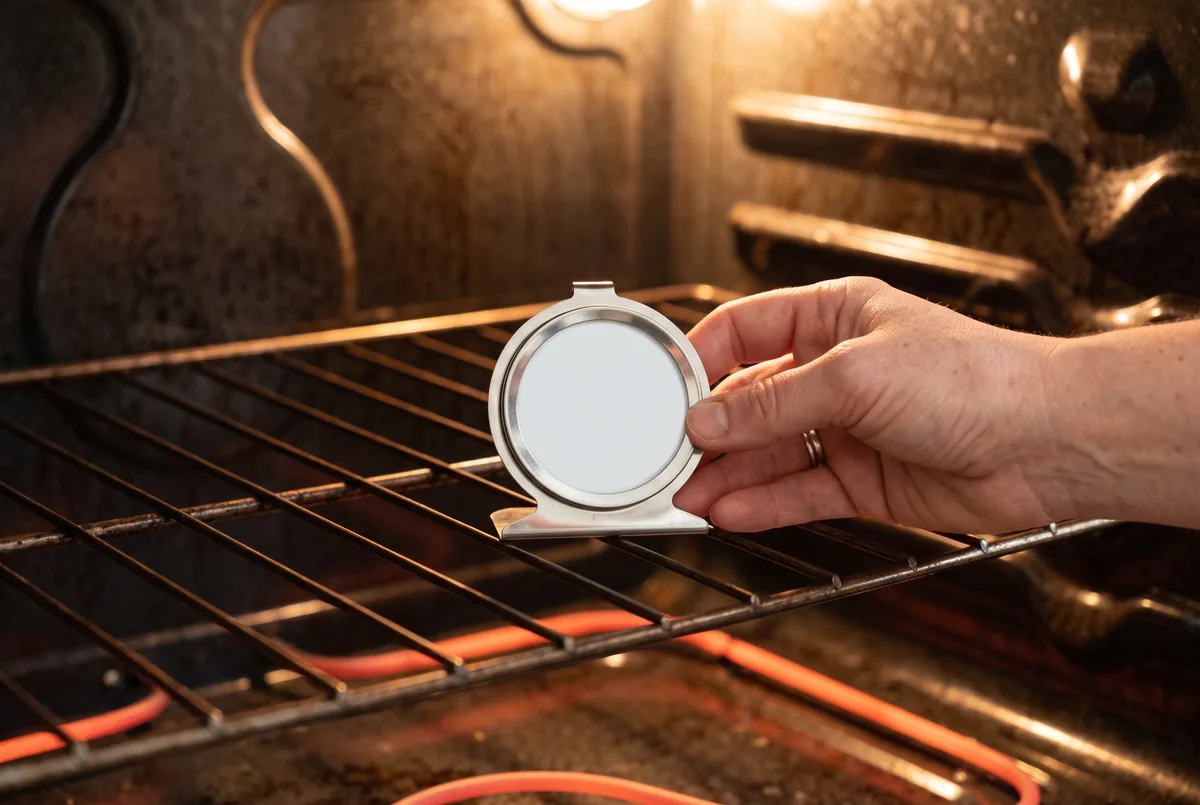
- Run a thermometer test: Place an inexpensive oven thermometer on the center rack, set the oven to 350F, and wait twenty minutes. If the reading is off by more than 25 degrees, calibration or the temperature sensor is the issue.
- Watch the elements heat up: On an electric oven, both the bake element at the bottom and the broil element at the top should glow bright orange and evenly. A dull section or a visible break means a failed element.
- Test the door seal: Close the oven door on a strip of paper. If you can pull it out with almost no resistance, the gasket is worn and heat is escaping.
- Check the convection fan: On a convection model, make sure the rear fan spins freely and the vent is not blocked. A stalled fan leaves distinct hot and cold zones.
- Confirm the rack position: Bake on the center rack for even results, and rotate trays halfway through. Poor rack placement mimics a hardware fault.
People Often Ask: Is It the Element or the Sensor?
Here is the quick tell. If the oven never reaches the right temperature and your thermometer confirms it runs cold, suspect the temperature sensor or a failing element. If it reaches temperature but food browns unevenly across the tray, lean toward a specific element burning out unevenly, a leaky door seal, or airflow. The thermometer test settles most of these arguments in twenty minutes.
Solutions: From Quick to Professional
Once you know the cause, the fix usually follows one of two paths: a simple homeowner adjustment or a parts-and-labour repair. Here is how the common causes line up against the telltale sign and the typical solution.
| Cause | Telltale Sign | Typical Fix |
|---|---|---|
| Failed bake or broil element | Dull spot or a break in the glow | Element replacement |
| Faulty temperature sensor | Thermometer far off the setting | Sensor test and swap |
| Worn door gasket | Paper slides out with no grip | Gasket replacement |
| Out of calibration | Consistently runs hot or cold | Recalibrate the offset |
| Blocked convection fan | Distinct hot and cold zones | Clear or replace the fan |
Save Your Money
Before you call anyone, try the free fixes: bake on the center rack, rotate trays halfway, recalibrate the temperature offset, and clean around the convection fan. A surprising number of uneven-oven complaints across Winnipeg turn out to be rack habits and calibration rather than a broken part. Ruling those out first can save you a service call.
For the reliable authorities on temperature and efficiency, an accurate, well-sealed oven also uses less energy, which is one reason ENERGY STAR stresses a tight door seal on cooking appliances. If your tests point to a failed element, a bad sensor, or a worn gasket, that is where a technician earns their keep, and it is also the point where our guide on an oven that will not heat up properly picks up the thread.
Safety First
Before inspecting an electric oven, switch it off and unplug it or trip the breaker so the elements are cold and dead. For any gas oven, do not attempt repairs yourself. Gas work in Manitoba must be done by a licensed technician, both for your safety and to stay onside with provincial rules. This article is general guidance only and Capital Appliance Repair Winnipeg is not liable for outcomes from actions you take on your own.
A Note on Gas Ovens in Manitoba
Everything above assumes an electric oven for the do-it-yourself checks. If you have a gas oven, the rules change. Gas appliance work in Manitoba must be carried out by a licensed technician, and for good reason: a gas leak or a badly seated burner is a serious safety risk. You can still do the harmless checks, like testing with a thermometer, minding rack position, and inspecting the door seal, but leave any repair that touches the burner, igniter, gas valve, or supply line to a professional. Manitoba Hydro, the province gas utility, publishes home natural gas safety guidance worth a read.
Pro Tip
Whether your oven is gas or electric, write down what you see before you book: which side overbakes, how far off the thermometer reads, and whether the elements glow evenly. Those notes let our technician arrive with the right part and often turn two visits into one.
Download the Free Diagnosis Guide
Keep the uneven-heat checklist handy for your next batch of baking.
Capital Appliance Repair Winnipeg fixes ovens that bake unevenly, run cold, or will not hold a temperature, on every major brand. We offer same-day service across Winnipeg and the surrounding communities, from Headingley and Oak Bluff to Selkirk, Stonewall, and Oakbank. If the checks in this guide point to a failed part or you are dealing with a gas oven, contact our Winnipeg team and we will get your baking back on track. You can also compare notes with our stove will not heat up guide.
